

What Are Automotive Seat Belts and Why Do They Matter?
2025-12-30
Automotive Seat Belts are foundational safety devices in every passenger vehicle designed to protect occupants during a crash. In this in-depth blog, we will answer the most critical questions about automotive seat belts — why they are essential, how they operate, what risks they mitigate, and what future innovations look like for occupant safety.
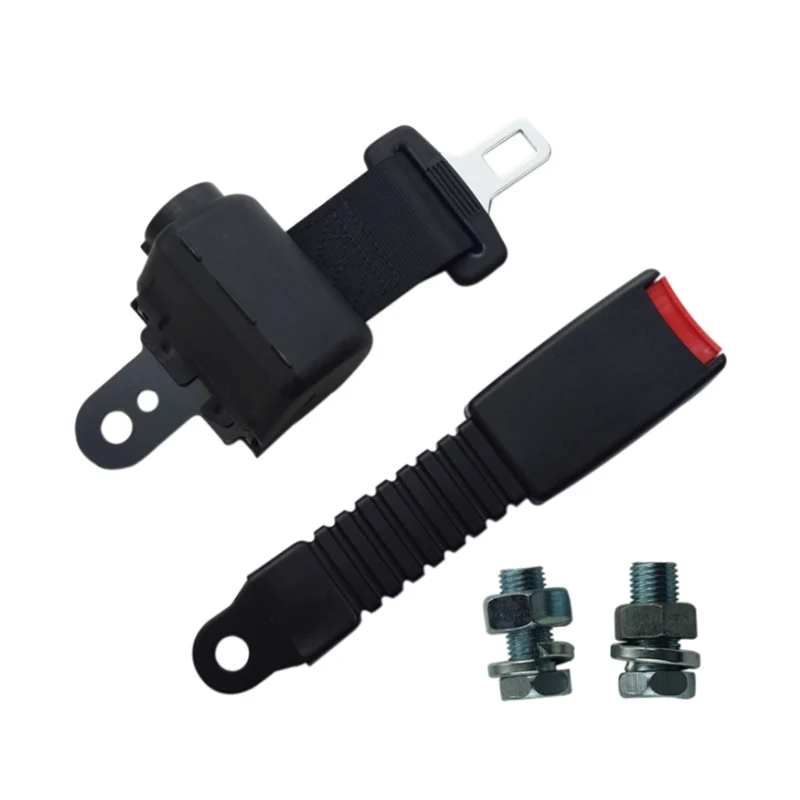
Table of Contents
- What Are Automotive Seat Belts?
- How Do Seat Belts Work?
- Why Are Seat Belts Important?
- Which Types of Seat Belts Exist?
- What Are Common Seat Belt Myths?
- How Can You Properly Use Seat Belts?
- What Are Future Seat Belt Technologies?
- FAQ About Automotive Seat Belts
What Are Automotive Seat Belts?
Automotive seat belts are restraint systems installed in passenger vehicles to keep occupants secure in their seats during sudden stops, collisions, or rollovers. Seat belts are typically made from strong woven fabric and incorporate mechanical components designed to restrain the occupant, reducing the likelihood of injury or ejection in a crash.
Why it matters: Motor vehicle crashes are among the leading causes of death and serious injury worldwide, and seat belt use has been shown to significantly reduce fatalities and injuries. In fact, research shows that wearing a seat belt can reduce the risk of death by about 45% and moderate-to-critical injuries by about 50%.
How Do Seat Belts Work?
Seat belts work by combining simple physics with engineered restraint. During a collision, the vehicle stops abruptly. Without a seat belt, the occupant’s body continues moving at the same speed due to inertia, often resulting in contact with the interior of the vehicle or being ejected entirely.
- Lap belts secure the pelvis.
- Shoulder belts distribute forces across the chest and ribs.
- Retractors lock the belt webbing during sudden motions.
Seat belts are engineered to spread crash forces over stronger parts of the body. They also work with airbags to manage forces and protect occupants during the critical moments of impact.
Why Are Seat Belts Important?
Seat belts are the most effective safety device in a vehicle. According to national safety data, millions of lives have been saved by consistent seat belt use. In the U.S., for example, nearly 15,000 lives were saved in 2017 alone thanks to seat belt use.
Key benefits include:
- Reduced fatality risk in crashes.
- Prevention of occupant ejection.
- Reduced risk of secondary impact injuries.
- Enhancement of other safety systems such as airbags.
Which Types of Seat Belts Exist?
| Type | Description | Common Uses |
|---|---|---|
| Lap Belt | Secures the pelvis across the hips | Older vehicles, rear seats |
| Lap and Shoulder Belt | Combined restraint for pelvis, chest, and ribs | Front and rear seats in modern cars |
| Inflatable Seat Belt | Expands like an airbag to increase coverage | Enhanced safety in some modern vehicles |
What Are Common Seat Belt Myths?
Many myths surround seat belt safety, including:
- “Airbags are enough without a seat belt.” — False: airbags are designed to work with belts, not replace them.
- “Short trips don’t need a seat belt.” — False: most crashes happen close to home.
- “Rear seats are always safe without belts.” — False: unbelted rear passengers increase risk to others.
How Can You Properly Use Seat Belts?
Proper seat belt use is essential to maximize protection. Below are correct practices:
- Adjust the lap belt snugly across the hips, not the stomach.
- Position the shoulder belt across the middle of the chest.
- Ensure no slack remains in the belt before driving.
- Check seat belts regularly for damage or wear.
Teach passengers and family members to buckle up every ride — every time — to instill safe habits.
What Are Future Seat Belt Technologies?
Emerging technologies are enhancing seat belt systems:
- Crash tensioners: Automatically tighten belts at the moment of impact.
- Force limiters: Allow controlled belt webbing movement to reduce chest injuries.
- Inflatable seat belts: Increase body coverage to distribute crash forces more broadly.
Advanced occupant detection and alert systems are also being proposed to remind both front and rear passengers to buckle up.
Frequently Asked Questions
Q: What is the main purpose of automotive seat belts?
A: The main purpose of automotive seat belts is to restrain occupants during collisions or sudden stops, reducing the likelihood of injury or ejection by distributing crash forces across stronger parts of the body.
Q: How much do seat belts reduce the risk of fatal injury?
A: Seat belts reduce the risk of fatal injury by approximately 45–60% depending on vehicle type and seating position, and significantly lower the risk of moderate-to-critical injuries.
Q: Can airbags replace seat belts?
A: No. Airbags are designed to work with seat belts. Without a belt, an airbag may not provide appropriate protection and can cause injuries itself.
Q: Are back seat passengers safe without wearing a seat belt?
A: Not wearing a seat belt in the back seat increases the risk of severe injury and can endanger other occupants. Proper restraint is critical in all seating positions.
Q: How often should I check my seat belt system?
A: Regular checks — before long trips and at least monthly — are recommended to ensure belts and retractors function properly and are free of damage.



X
We use cookies to offer you a better browsing experience, analyze site traffic and personalize content. By using this site, you agree to our use of cookies.
Privacy Policy